Managing your small business cash flow through summer (sponsored)

Trish Love l Finance contributor
23 December 2025, 3:35 PM
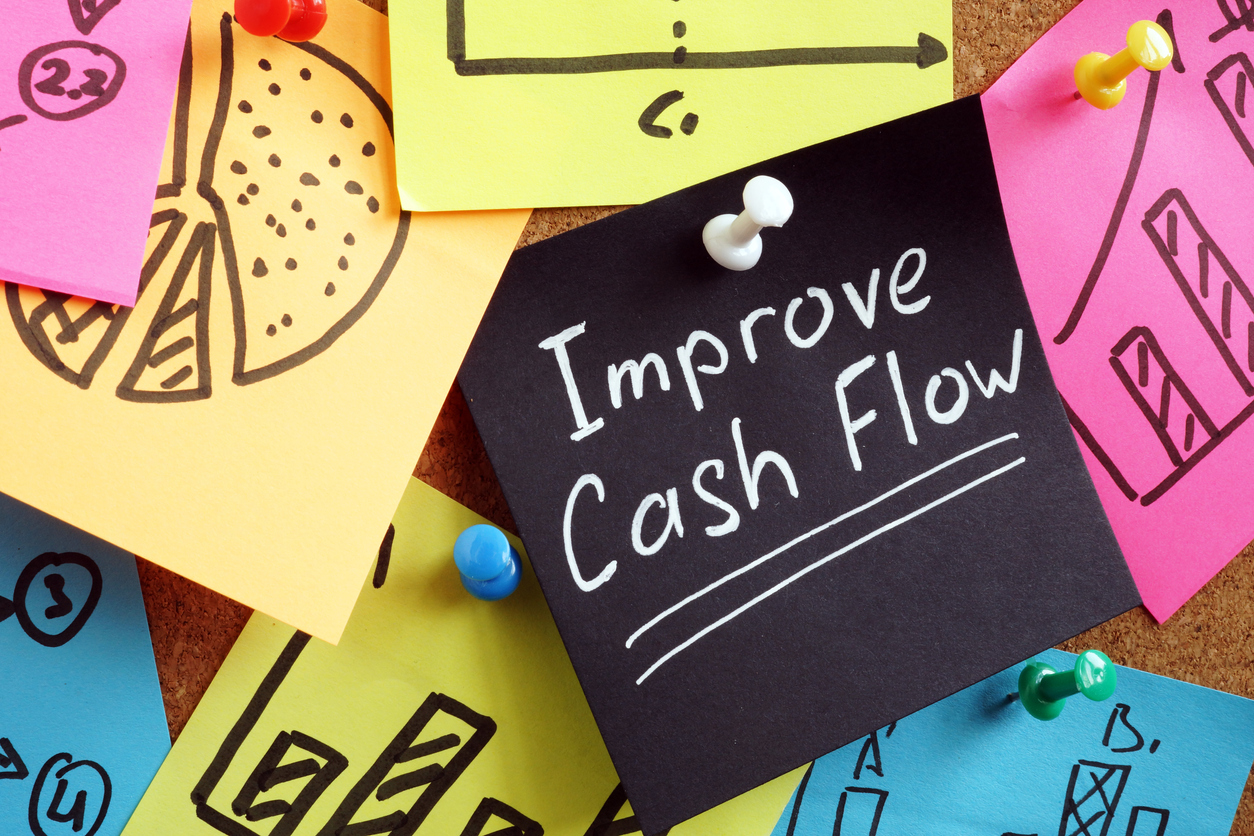
If summer is not your best trading time, then planning your cash flow is especially important for you.
Remember – profit IS NOT the same as cash flow!
One of the most important lessons business owners have to learn, often painfully, is that having enough cash flowing through your business regularly is critical.
Basically, it doesn’t matter how much money is coming in the future if you don’t have enough money to get through day-to-day now:
- Employees need their wages on time, regardless of when customers pay.
- Your landlord doesn’t care that you’re talking to investors and will have the money in a couple of months.
- Suppliers may not be willing to extend credit, restricting your ability to buy materials or products for your customers.
More businesses fail for lack of cash flow than for lack of profit.
Why is this? There are two main reasons:
- Business owners are often unrealistic in predicting their cash flow. They can overestimate income and underestimate expenses.
- Business owners fail to anticipate a cash shortage and run out of money, forcing them to suspend or cease operations, even though they have active customers.
For example, many retailers incur large outflows of cash prior to the Christmas season in order to build inventory. This cash outflow does not constitute a loss. However, a business owner must anticipate and plan to have enough cash on hand to pay vendors or make other finance arrangements in advance.
Likewise, companies who experience a drop in business over the Christmas period (e.g. shut down or have seasonality lows) need cash reserves to cover reduced income, to ensure staff receive holiday pay, and the business is able to meet obligations to pay provisional tax and GST (due on 15th January 2026).
These points especially apply to service based businesses.
So what’s the difference between profitability and cash flow?
Profit is the difference between income and expenses. Income is calculated at the time the sale is made, rather than when full payment is received. Likewise, expenses are calculated at the time of purchase, rather than when you pay the bill.
Cash flow is the difference between incoming versus outgoing cash. So debtor receipts can make a significant difference, to cover expenses which are needed regardless.
Cash flow can also include injections of working capital from investors or debt financing. Balance sheet outflows include GST, tax, inventory purchased, new assets etc. These don’t impact profit but do impact cash.
Your accountant can help you improve your upcoming cash position
Preparing accurate cash flow projections on a regular basis is one of the most important things a small business can do – alerting you to potential problems before they arise, and enabling a pro-active not a reactive discussion with your bank when extra funds are needed; a pro-active discussion signals good planning and is much more likely to be met with a favourable response.
All business owners could benefit from cash flow planning. The more you work with your numbers the better you will become in managing your cash flow.
Be prepared, and take the cash flow stress out of this summer!
Love to Grow can work with you to model your cash flows, profit and balance sheet for the short term or the next 1-3 years so you can improve your cash, peace of mind and business confidence. Sing out if you would like us to help.
Sponsored Content: This article has been submitted by a contributing local expert as part of The Central App’s sponsored advisor programme.