Good water quality across most swimming spots

Aimee Wilson
14 January 2026, 4:45 PM
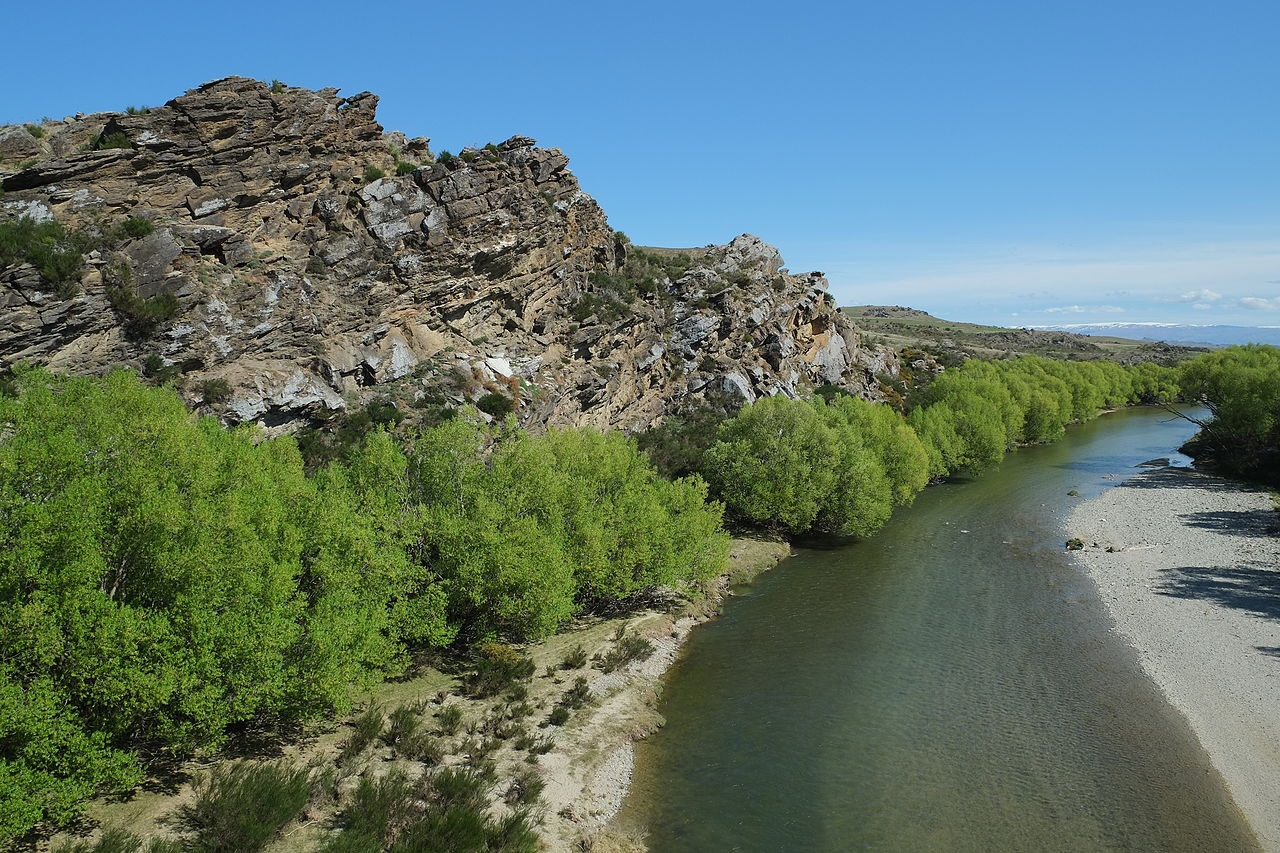 The Manuherikia River is a popular swimming spot over the summer months. file shot
Popular swimming spots around Central Otago have been closely monitored over summer, and so far the water quality has been good.
Otago Regional Council scientist, water quality Helen Trotter said the results from the recreational water quality monitoring programme for Central Otago have been broadly consistent with previous years.
She said across the region, there have been several amber (‘caution advised’) results and a small number of red (‘unsuitable for swimming’), most of which were associated with rainfall.
“E. coli levels after rainfall can vary widely due to several interacting factors, including sources of contamination present in the catchment (e.g., livestock, wildlife, urban stormwater, septic systems), rainfall intensity and timing, environmental conditions and runoff generation.”
Sometimes the heavy rainfall can dilute E. coli concentrations, even when contamination is present in the waterway, she said.
As a general precaution, the regional council recommends avoiding swimming for 48 hours after rainfall as the best way to reduce risk, because most elevated bacteria results occur following rain.
She said it was also helpful to understand the long‑term grade at monitored sites.
Sites graded ‘poor’ or ‘fair’ tend to experience elevated E. coli more frequently, as they usually have more faecal sources in their catchments—such as urban stormwater inputs, or large numbers of livestock, birds and wildlife. This includes the Manuherikia River at various points in the lower catchment.
In contrast, ‘excellent' sites typically have fewer contamination sources and therefore may be less likely to show elevated E. coli levels after rain.
The Manuherikia River under the Shaky Bridge in Alexandra has had an 83% clean bill of health since weekly monitoring started in early December.
The Clutha River at the Alexandra boat ramp has been 100% clear of any elevated E.Coli levels since testing started, as well as the Kawarau Arm at the Bannockburn Bridge.
Lake Dunstan at Alpha Street in Cromwell has also been clean along with Burton Creek near the Dunstan Rowing Club.
Pinders Pond near Roxburgh is part of the testing and has a clean record as well so far this summer.
Monitoring of the 36 sites across the region will continue through to 31 March.
Results are updated on LAWA (Land, Air, Water Aotearoa), a national platform that brings together water quality information from councils across New Zealand.
ORC has carried out recreational water monitoring since 2006. The toxic algae blooms can also occur in the warmer summer months, and appears as green “pea soup” or scums on the surface of the water.
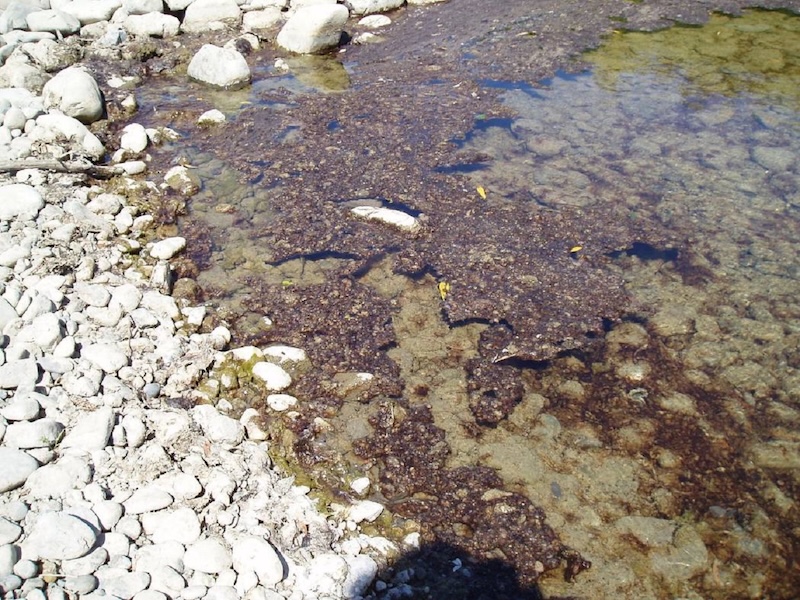
Butchers Dam and the Manuherikia River are both hotspots for Cyanobacteria. Image: supplied
In rivers, toxic algae occurs as dark brown or black mats attached to rocks, often with a musty smell.
Both the Manuherikia River and Butchers Dam are known cyanobacteria hotspots, and the ORC encourages people to report it.
If you think you have experienced a reaction after exposure to water containing toxic algae, seek urgent medical attention. Let your doctor know that you think you have swallowed toxic algae, so that they can inform Regional Public Health of the incident.
Swallowing water containing toxic algae can lead to vomiting, diarrhoea, abdominal pain, and nausea. Skin contact can cause irritation of the skin, eyes, nose, and mouth. The toxins can also affect the liver and the nervous system.
Dogs are particularly susceptible to poisoning as they can be attracted to the musty smell of toxic algae mats – if eaten it can cause severe poisoning or death. In extreme cases death can occur within 30 minutes after signs first appear.
If your dog experiences these symptoms treat it as an emergency and contact a veterinarian immediately.
Livestock are also at risk from poisoning from toxic algae and should be provided with alternative drinking water.
Symptoms of poisoning in animals include:
- Lethargy
- Muscle tremors
- Fast breathing
- Twitching
- Paralysis
- Convulsions
See the Toxic Algae information page to learn more about it.
NEWS

WHAT'S ON